
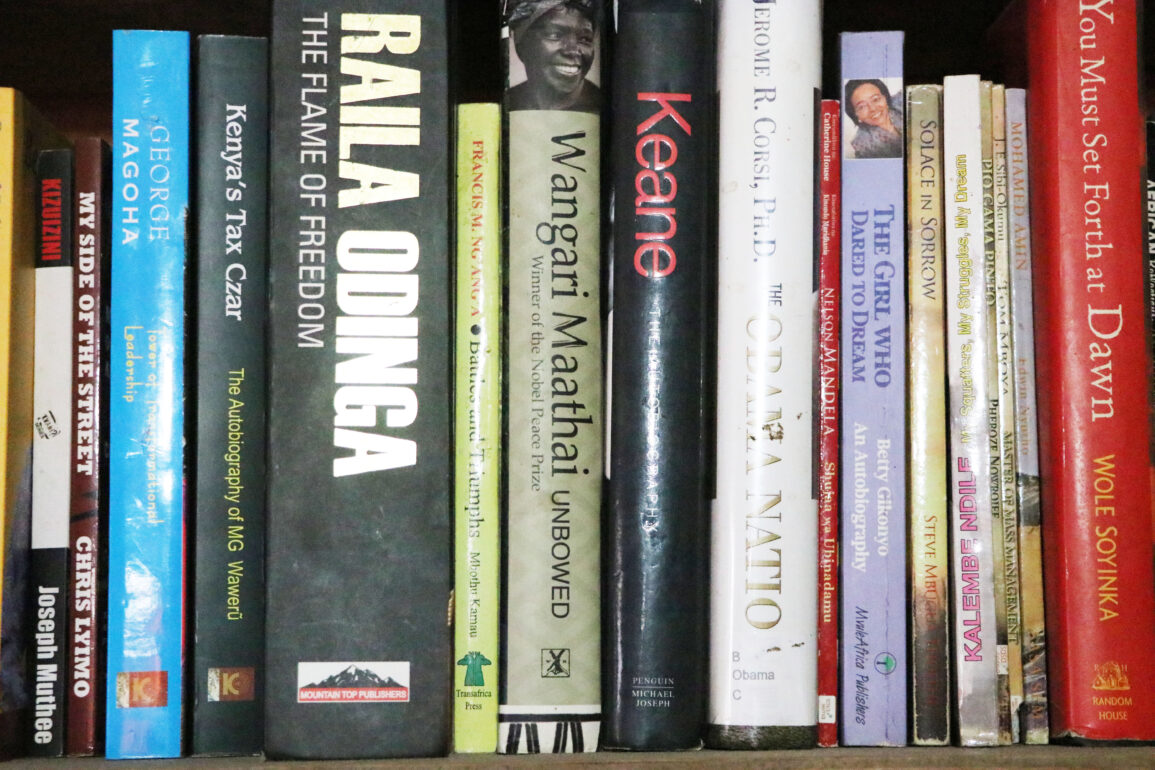
The other day the African Publishers Network (APNET) published a report whose findings do not flatter Kenya at all.
The report places Kenya among a small group of African countries that levy Value Added Tax (VAT) on books. You might call it a list of shame. It is embarrassing that we are counted among nations that make access to knowledge more expensive than it needs to be.
With VAT on books set at 16 per cent, every book purchased costs more than it otherwise would. If the tax were removed, parents would have more money to spend on books for their children, schools could stretch their budgets further and more readers would have access to information.
We are talking about literacy, learning and the promotion of a reading culture. A nation that reads more is generally better informed, more innovative and better prepared for the future. The earlier we cultivate a reading culture among young people, the better the long-term outcomes for society.
Yet Kenya continues to tax books as though they were ordinary consumer goods.
The debate is not new. Through the VAT Act of 2013, the Jubilee administration introduced a 16 per cent VAT on textbooks and other reading materials. The government’s argument was straightforward: it needed to broaden the tax base, reduce exemptions and increase revenue collection.
The consequences were equally predictable.
Because VAT is ultimately borne by the consumer, books became more expensive for parents and schools. Higher prices translated into fewer purchases, lower sales and reduced access to reading materials. Books, which ought to occupy a special educational category, were treated like any other taxable commodity.
Publishers have spent more than a decade trying to reverse the decision.
Among the most persistent campaigners has been Njoroge Waweru, a resident of Kikuyu, who petitioned Parliament in 2016, 2018 and 2022 seeking the removal of VAT on books. His argument was simple: books are educational goods, taxation undermines literacy and learning, and Kenya should align itself with countries that exempt books from VAT.
Despite repeated efforts, the proposals never gained traction.
The Finance Committee, which oversees tax legislation, consistently declined to recommend the removal of the tax. Treasury officials appeared unwilling to support any measure that would reduce government revenue, and Parliament largely followed that position.
Today, the campaign has lost some of its visibility, but not because publishers have changed their minds.
They are grappling with a more immediate crisis. The government owes publishers billions of shillings for books already supplied to schools under the Competency-Based Education programme. For many publishers, getting paid has become a more urgent concern than fighting an unfavourable tax regime.
That does not make the VAT issue any less important.
In fact, there is a striking irony at the heart of the debate.
The government is the single largest purchaser of books in Kenya through the education system. Treasury imposes VAT on books, publishers collect it, and the Ministry of Education effectively pays it when procuring books for schools.
In other words, the government taxes books, taxes parents who buy them, taxes the industry that produces them and, in some cases, ends up taxing itself.
As Parliament considers tax measures under the Finance Bill 2026, it is unlikely that Treasury will willingly surrender any source of revenue. The country’s fiscal position is far more difficult than it was in 2013. Pressure to raise revenue, service debt and close budget deficits remains intense.
But not all taxes are equal.
A tax on luxury goods is one thing. A tax on educational materials is quite another.
Books are not merely commercial products. They are tools of learning, instruments of literacy and building blocks of human capital. Every barrier placed between readers and books ultimately weakens the country’s educational foundations.
The question, therefore, is not whether Kenya needs revenue. It certainly does.
The question is whether taxing knowledge is the smartest way to raise it.
More than a decade after VAT was imposed on books, that question remains unanswered.